
19 December 2025
How Can You Make Your Wood-Burning Stove More Sustainable?
There are few joys as central to winter as a roaring log fire, but when burned with sustainable firewood, you can maintain that warmth whilst minimising your environmental impact.
From chestnuts roasting on an open fire to bonfire celebrations to bring in the new year, wood fires are a key part of winter celebrations, but it is important to be responsible with the wood you burn to avoid inhaling harmful smoke or causing issues with your local area.
Thankfully, by following these simple steps, you can improve the sustainability of your log fire and ensure it can be enjoyed for generations to come.
Make Sure Your Firewood Is Sustainably Sourced
The most beautiful aspect of wood is that if you take care of it and the beautiful areas where it grows, it is one of the most versatile materials on the planet.
To do your part, check to make sure that any firewood you buy is certified with the Forest Stewardship Council (FSC), which ensures that forests remain healthy, deforestation is avoided, and biodiversity is preserved, and that the workers who harvest firewood and care for the forests are paid a fair wage.
Check Your Firewood Is Ready To Burn
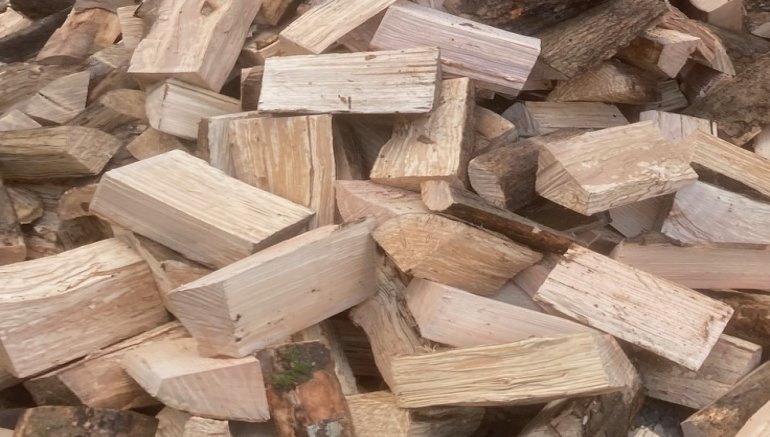
Legally, all firewood you can buy must be certified as Ready To Burn, which means that it has been seasoned to have a moisture content of less than 20 per cent.
Using seasoned firewood is vital because wetter firewood is not only less efficient but it also burns with more smoke, making your stove more polluting than it needs to be.
Choose The Right Type Of Wood For Your Fire
Firewood can be divided into two main types, both of which have their uses in fires and stoves:
- Softwoods, which include fir trees and pine wood, tend to burn faster and are ideal as kindling, but because they produce more smoke relative to their heat, they should be used in limited quantities.
- Hardwoods, such as ash, birch and beech, burn for far longer, are far warmer and give off less smoke, making them better for burning indoors.