23 March 2026
What Is Kindling And Why Do You Need It For Your Wood Burner?
Building and sustaining a fire in your wood-burning stove can sometimes seem like an art form. With practice and the right materials, you will find it easier and quicker to get those flames going.
Kindling is a vital part of the fire-making process.
What Is Kindling?
Small dry sticks of firewood are referred to as kindling. They are significantly smaller than sustainable logs that provide heat with a longer-lasting burn.
Importantly, it is not to be confused with tinder, the quick-burning fuel used to initiate a fire. Tinder is the material you first set a match or lighter to and is the smallest component of a wood fire.
Kindling provides a bigger fuel source than tinder. Its purpose is to create enough heat for long enough to start the larger logs to catch fire.
Once you have established some glowing embers with your tinder, that is when kindling does its work. But, before putting a match to anything, you'll need to build your fire properly.
How Should You Use Kindling In A Wood-Burning Stove?
The sticks of wood, or kindling, are stacked over and around the tinder and firelighters. This allows oxygen in, one of the three ingredients of the fire triangle: heat, fuel and oxygen.
A traditional Boy Scout fire would be arranged in a star or teepee shape, but a square stack or tower is more stable. It also works well in confined spaces such as a wood stove.
When the kindling catches, the fire should be going steadily and producing heat before logs are added. If added too soon, the logs can smother the fire and sometimes extinguish it completely.
What Type Of Kindling Should You Use In A Wood Burner?
In the wild, kindling would consist of sticks and small branches. However, they can be irregular sizes, making it harder to stack the fire. They can also be an unreliable fuel due to dampness.
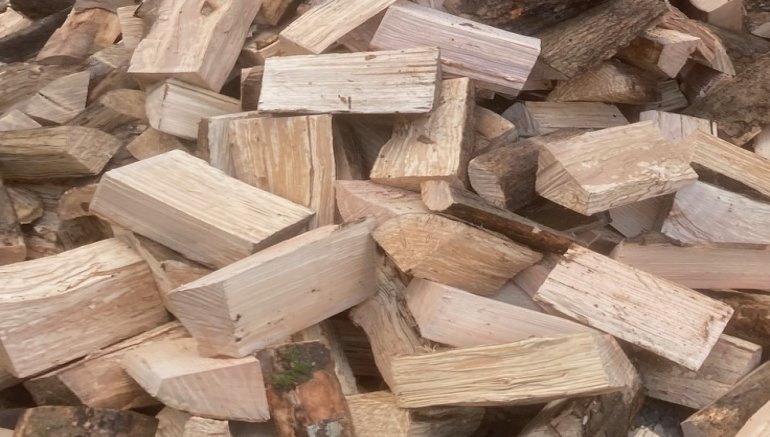
Kindling cut from sustainable firewood sources will come in regular-shaped sticks that fit the size of your woodburner. Sustainable kindling is already dry, makes a reliable fuel source and can be purchased in bulk, so you don't run out.