If you ever need a good reason to have a wood-burning stove, you only need to look at the prices for gas and electricity. With winter coming, millions of people would be delighted to have a much cheaper way of heating the home.
Even those relying entirely on electricity rather than partly on gas are being hit by higher energy prices, caused by the impact of the war in the Middle East and the disruption of oil and gas.
This is because wholesale gas prices still dictate the cost of both gas and electricity, with the costs now feeding through in an alarming fashion.
- The present Energy Price Cap (October-December) represents a four per cent rise on the previous three months
- Ofgem has just confirmed a 26 per cent rise in the Energy Price Cap for January-March 2027
- This would take the typical dual-fuel bill from £1,723 to £2,166 a year
Why Will Wood Be A Cheaper Heating Option Than Gas And Electricity?
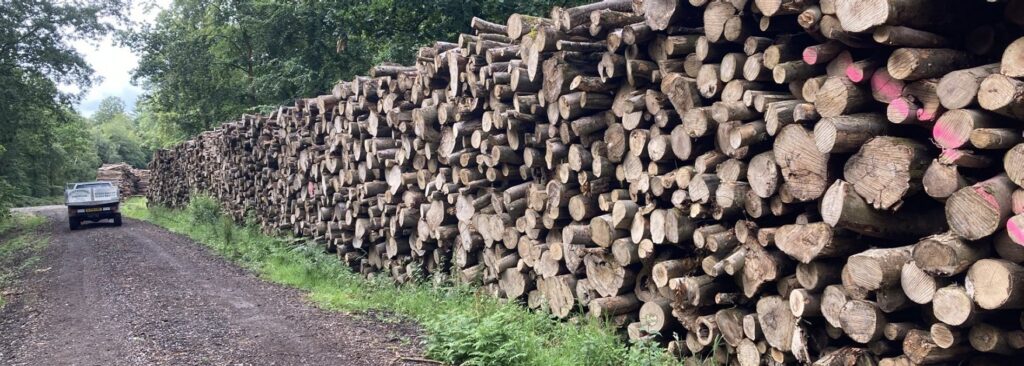
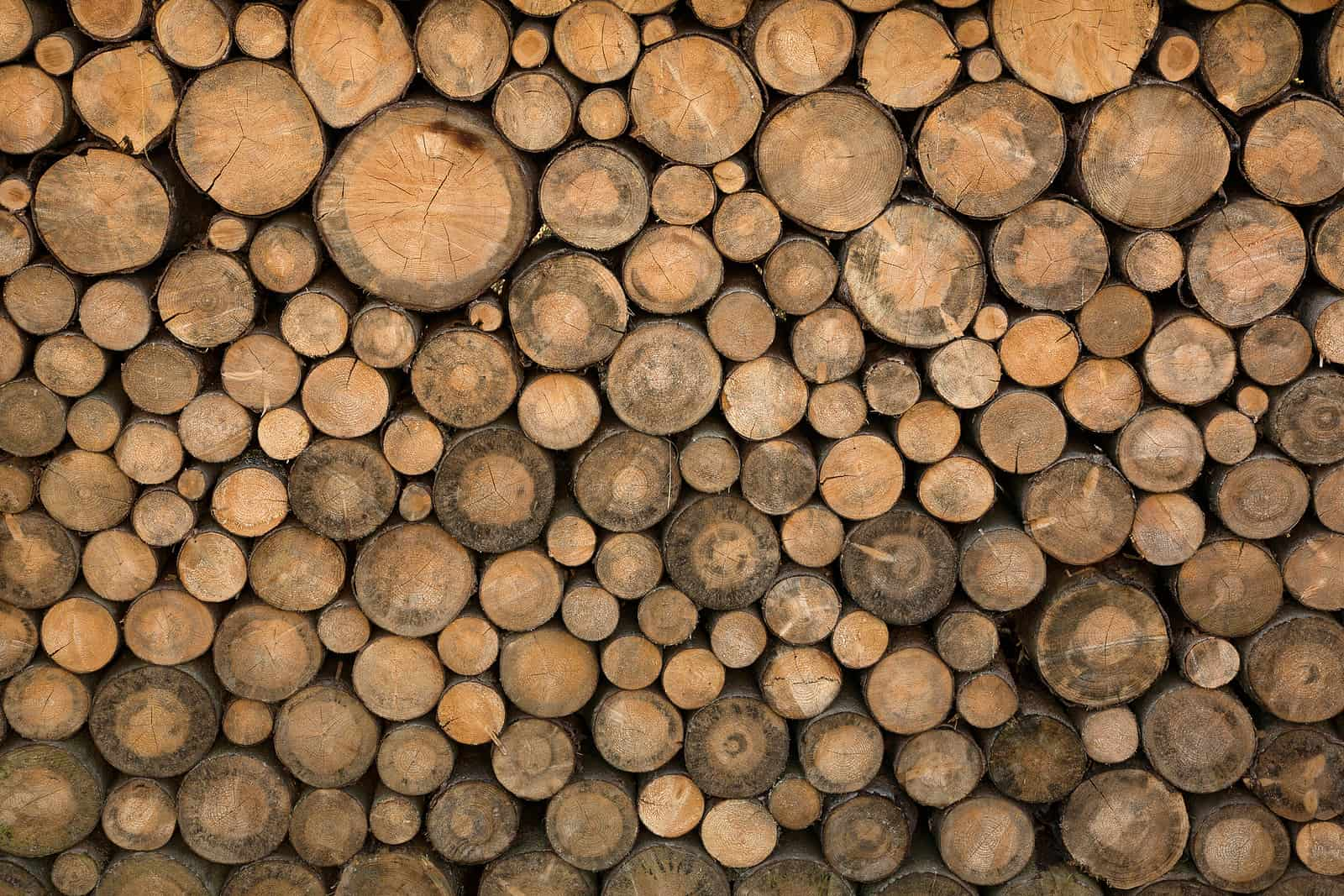
Faced with such soaring costs, it makes a lot of sense for households to invest in a wood burner and find some firewood logs for sale.
You might imagine that wood prices would also jump with demand, but it is not going to be subject to inflation to anything like the same extent as gas and electricity, simply because Britain is not overly reliant on wood imports and it can be sourced here.
Britain’s wood supplies contrast with gas. Even with the new Jackdaw field being opened, Britain’s gas supplies are dwindling. At the turn of the millennium, Britain was self-sufficient in gas, but now only 42 per cent of UK needs are met domestically.
The good news about using wood is that you can rely on it for the long term. You can’t stock up for winter 2026-27 in advance, but you can do so next year, which can provide protection if there is another energy shock, as there was in 2022 after Russia invaded Ukraine.