
Our blog and advice
A good fire is mostly dry wood and a little technique. Here's what we tell customers when they ask. Nothing complicated, just what works.
Storing logs, buying them, and lighting them. Get those right and everything else looks after itself.

Can You Cook Food Using Sustainable Firewood?
Learn more about cooking food over an open fire, which sustainable firewood is the best choice for cooking, and top tips to get the greatest results possible.
Read more
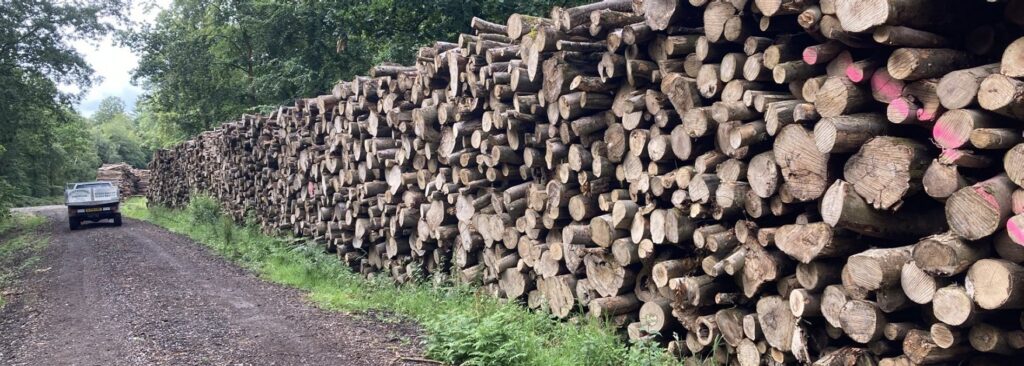
What Role Do Sustainable Forests Play In Saving Carbon?
Using sustainable fire logs is a great way to encourage and maintain the UK's sustainable forest sector. Discover the role it plays in cutting net emissions.
Read more
Lighting a wood burner the easy way
Build it upside down. It sounds wrong, it lights first time, and it produces far less smoke while it gets going.
Read more
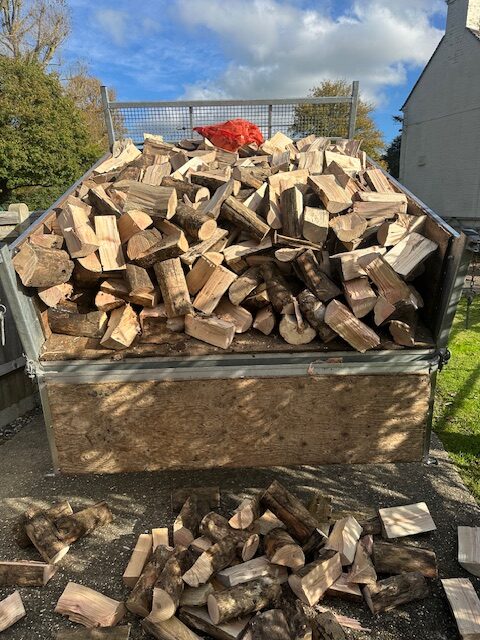
How to tell if firewood is properly seasoned
Weight, cracks, sound and a moisture meter used properly. How to check a load is dry before you pay for it.
Read more
How to store firewood so it stays dry
Off the ground, under a roof, open at the sides. Three rules that decide whether your load burns well in January.
Read more

Where Is The Best Place To Store Firewood In A Heatwave?
Find out how it's best to store your sustainable firewood safely during the dry, hot weather we are experiencing to minimise fire risk and keep everyone safe.
Read more

What Is The Best Way To Stack Sustainable Firewood At Home?
Find out some top tips and useful advice about how to stack sustainable firewood at home to make sure it is well-seasoned and ready to burn when you need it.
Read more
Should You Stock Up On Sustainable Firewood This Summer?
Learn more about the benefits of buying sustainable firewood at the furthest point of the year away from when you will begin needing to use logs for warmth.
Read more
What Makes Firewood Sustainable?
Discover what factors contribute to the sustainability of firewood and what to look for when you're comparing sustainable firewood suppliers in West Sussex.
Read more

Don’t Neglect Your Firewood Stores During The Summer
Find out why buying logs for sale during the summer months instead of waiting until winter is really sensible, as it prevents long delays and saves money.
Read more
More on the way
There are more articles to come. Until then, here are the short answers to the questions we get asked on the drive.
Which wood burns best?
Hardwood. It is denser than softwood, so it burns slower and steadier and gives you more heat from the same size log. Softwood catches quickly, which makes it useful for kindling, but it burns through fast and tends to spit.
Dryness beats species every time, though. Dry softwood will always outperform wet hardwood. Everything we sell is hardwood, cut and split at the farm and barn stored in vented bags until it’s ready.
Why is cheap wet wood a false economy?
A wet log has to boil the water out of itself before it will properly burn. That energy goes straight up the chimney instead of into your room, so you get less heat and you get through more logs to feel the same warmth.
The rest of it turns into smoke and tar. You’ll see blackened glass, you’ll smell it, and the deposits build up in the flue, which means more sweeping and a genuine fire risk. Cheap wet wood usually costs more by the time the winter is out.
How can I tell dry logs from wet ones?
Pick one up. Dry logs feel lighter than they look, the end grain has cracks radiating out of it, and the bark comes away easily. Knock two together and you get a sharp clunk rather than a dull thud.
On the fire, wet wood tells on itself: it hisses, it bubbles at the cut ends, and it is reluctant to catch. If you want to be certain, split a log and put a moisture meter on the freshly exposed face rather than the outside. There’s more in our guide to telling properly seasoned wood from wet.
How much wood does a winter take?
Honestly, it depends. A big stove lit every evening in a draughty farmhouse gets through a great deal more than a small one lit at weekends. Whether the fire is your main source of heat or a treat after dinner makes the biggest difference of all.
The sensible approach is to take a load, see how far into the season it gets you, then order the next one before you’re down to the last few. Give us a ring and we’ll talk it through – we have a fair idea what houses like yours use.
Can you cut logs to fit my stove?
Yes. Measure the inside of your firebox, take an inch or two off for comfort, and tell us the length when you order. Customers ask regularly and we’re happy to oblige.
It is worth doing. Logs that only just fit have to go in at an angle, which makes the fire harder to build and harder to control.
Never run out mid-winter
Stock alerts go out most often in the autumn, when the new season's logs are ready and delivery slots start to fill. Register your interest early so you don't miss out. A few emails a year, nothing more.